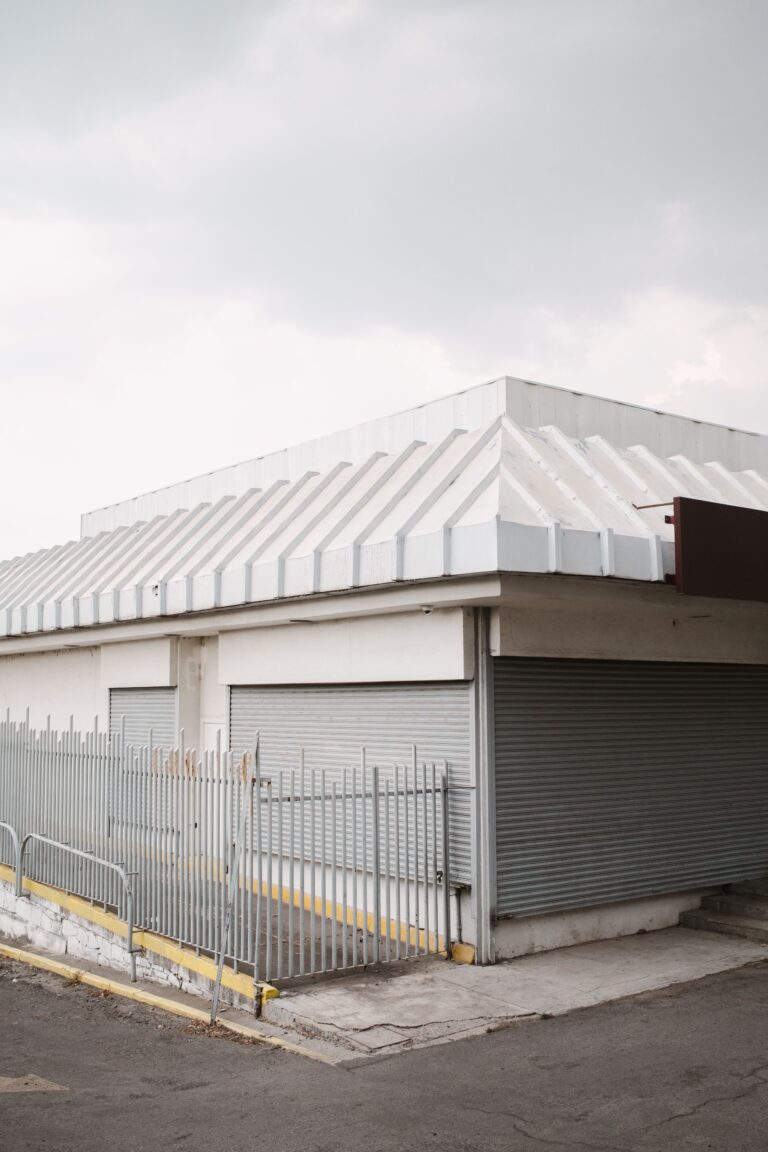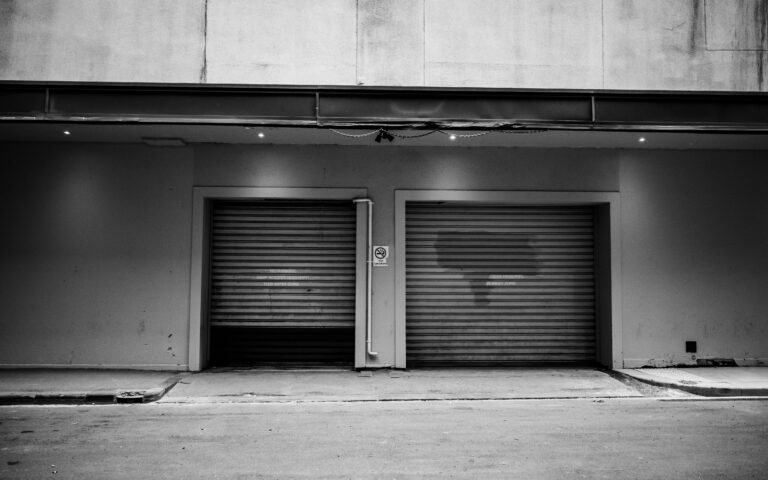
If you own the building your store is in, skip this one. This is for the rest of you — the ones renting the storefront. Before you spend a dime on a shutter, your lease has two answers you need, and most tenants don’t go looking for them until it’s too late.
The first: are you even allowed to put one up? The second: who’s paying for it? Both are usually sitting in a lease you signed and haven’t read since. Read them before you call an installer, not after.
Are you even allowed to modify the exterior?
Most commercial leases have something to say about changing the outside of the building.
An exterior shutter isn’t a small thing to a landlord. It needs a housing box mounted on the face of the building — a permanent change to property you don’t own. A lot of leases restrict or forbid exterior modifications without written approval. So before anything else, read your lease’s language on alterations, or ask your landlord or property manager straight out: can I put an exterior shutter on the front?
If the answer is no — some historic buildings, some strict plaza leases — you still have options. An interior shutter mounts inside your own space. Riot Glass goes on the inside of the existing glass without touching the building’s exterior at all. Those are the products that live inside the lease’s lines. You just want to know which conversation you’re in before you spend.
Who pays — and why the lease usually says you
Here’s the part that surprises people. On most commercial leases, the storefront is the tenant’s problem.
A lot of retail plazas run on triple-net leases — the arrangement where the tenant covers building costs, taxes, and upkeep on top of the rent. Under one of those, the glass, the storefront, and what protects them usually land on you. I’ve watched a tenant go to the landlord expecting a shared bill and get pointed straight back to the lease: the glass is yours, so the shutter is too. If it isn’t spelled out as the landlord’s, assume it’s yours.
When the landlord might chip in
Some owners will share the cost. It’s worth asking, and timing decides how far it goes.
A landlord is most open to helping when they want to keep you. If you’ve been a good tenant for years, or your lease is coming up for renewal and they’d rather not stare at an empty unit, you’re in a strong spot to ask — a shutter that keeps you open and happy is cheaper to a landlord than a vacancy. If you’re in year one of a six-year lease, you have less. And there’s an honest argument on your side either way: the shutter bolts to their building and stays when you go. You’re improving property you don’t own. That’s a fair thing to bring to the table.
Get it in writing before you spend
Whatever you land on, put it on paper first.
If the landlord gives permission, get it in writing — a verbal yes from a property manager isn’t the same as approval from the owner, and property managers change. If the landlord agrees to share the cost, get that in writing too, before the install, not after. And if you’re paying for the whole thing on a building you rent, go in knowing the shutter stays when your lease ends. Protecting your store is the right move. Just settle these lease questions before you spend, so the rules don’t bite you after the install.
Where to start
If you rent your storefront and you’re weighing a shutter, give me a call. I’ll walk your store and tell you what I’d install — and whether it needs to be an exterior shutter, an interior one, or Riot Glass, depending on what your lease allows. Bring your lease’s alteration language to the conversation if you can. It shapes the whole thing, and I’d rather help you get it right before you talk to your landlord than after.
— Jessie Bajwa
Owner, Affordable Security Shutters
Fairfield, CA · 707-840-3435