One of the people who sends me the most work installs security cameras for a living.
Think about that for a second. A camera guy, referring his own customers to a shutter installer. He does it because he’s honest about what a camera can and can’t do, and he’d rather his customer hear it from him than learn it the hard way.
He told me about one of his own jobs. He’d put a full camera system in at a gas station. Good cameras, clear footage. About a month later somebody came in through the front door at night, grabbed an armful of cigarette cartons and a few other things, and was gone. The cameras caught all of it. Clean video of the whole thing. The store still lost the inventory, still had the broken door, still had to file the claim.
That’s the whole issue in one story. The cameras recorded a theft. They didn’t stop one.
Three tools, three different jobs
I explain it to owners in one line: cameras record it, alarms report it, shutters stop it.
That’s not a knock on cameras or alarms. It’s just what each one is built to do.
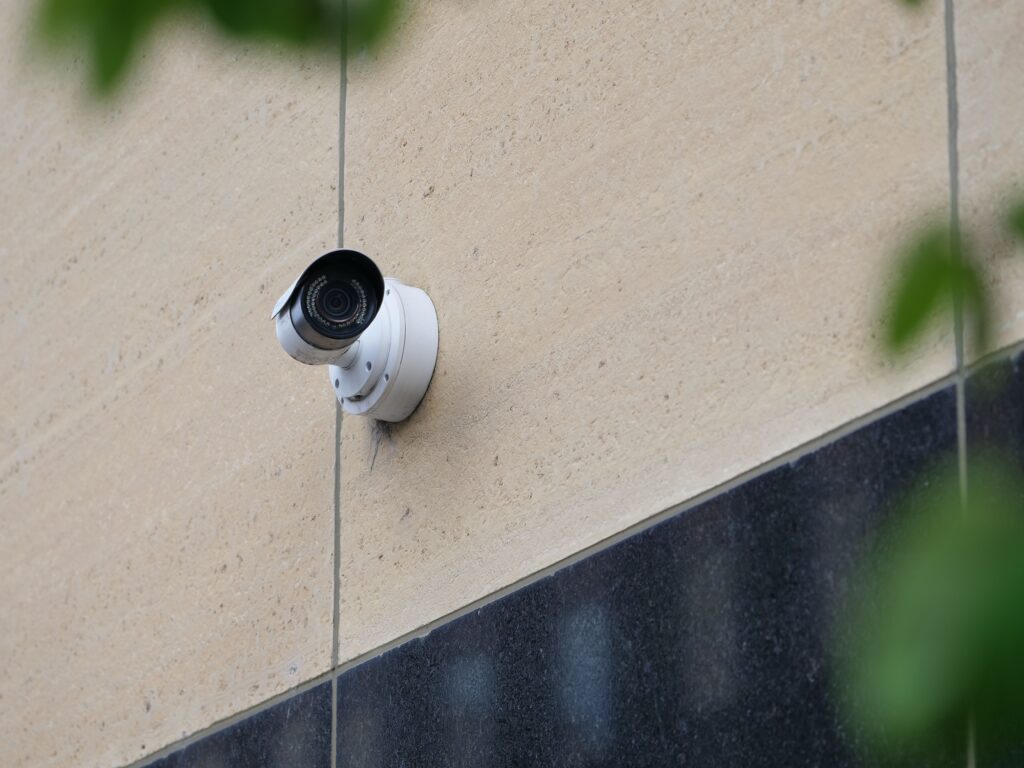
A camera documents. After the fact, you have footage — for the police, for your insurance, for figuring out what happened. Useful. But the camera is a witness, not a wall. It watches the theft happen.
An alarm notifies. Once somebody is already inside, it makes noise and sends a signal. That’s a real layer, and sometimes the noise alone sends somebody running. But the alarm goes off after the glass is already broken and the person is already through the door. It reacts to a break-in that’s underway.
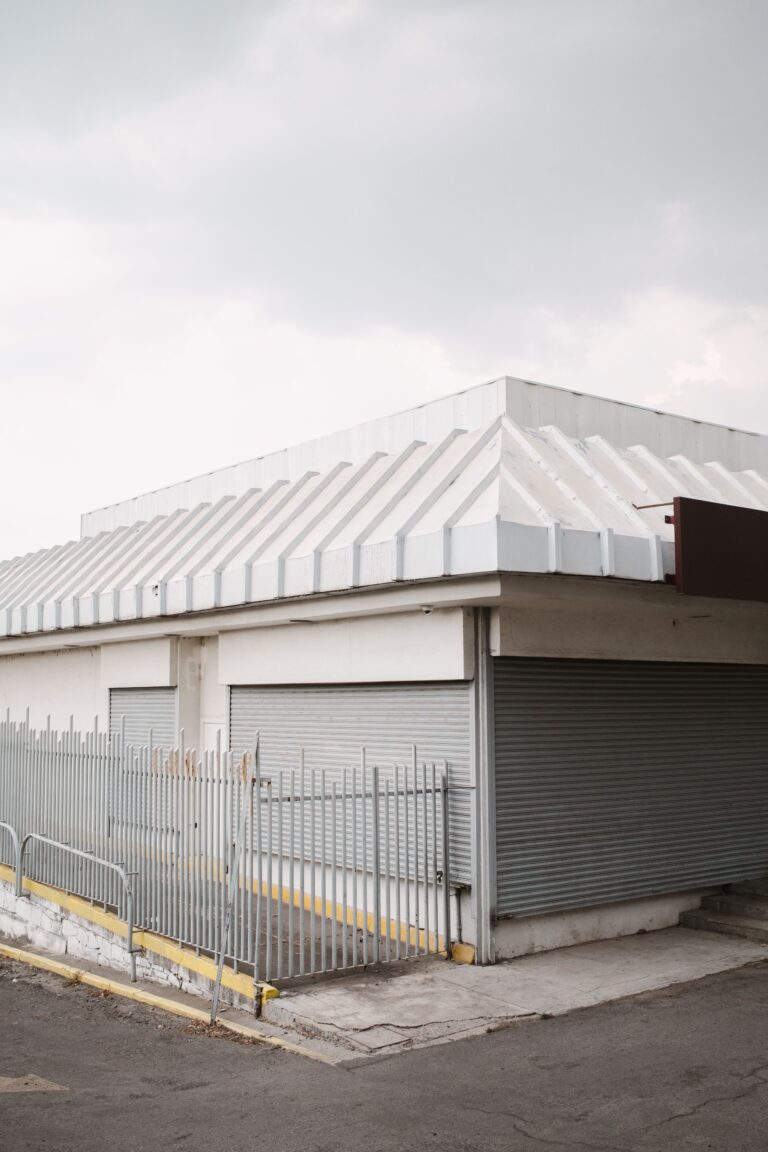
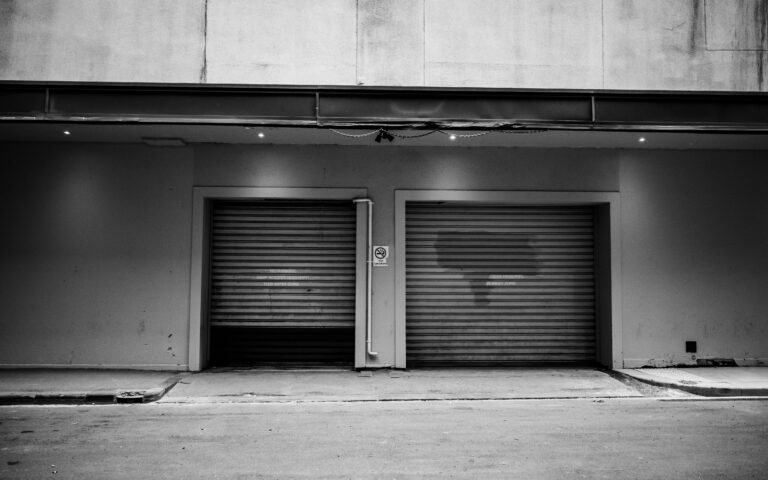
A shutter is the only one of the three that’s physically in the way before anything happens. It’s down over your storefront all night, and it doesn’t watch or report — it blocks. To get past it, somebody has to physically defeat it, out in the open, for a lot longer than they want to be standing there.
Why the “I already have cameras” answer worries me
The most common thing I hear on a walkthrough is, “I’ve got cameras and an alarm, so I’m covered.”
Most of the storefronts I walk into already have cameras and an alarm. That’s exactly why it worries me. Those owners think they’ve got three layers of protection when they really have two versions of the same layer — both of them the kind that kicks in after the break-in has already started.
Cameras and alarms answer the question “what happened.” A shutter answers a different question: “did it happen at all.” If everything you own is pointed at documenting the break-in and nothing is built to prevent it, you’ve covered the paperwork for the loss and left the night itself unguarded.
Cameras earn their place — next to a shutter, not instead of one
I’m not telling you to rip out your cameras. I install alongside camera companies all the time, and a storefront with cameras, an alarm, and a shutter is in genuinely good shape. Each one covers what the others can’t.
You’ve probably seen the tall poles in big-box parking lots with the flashing blue light and cameras up top, wired straight to the local police. That setup works as a deterrent because it’s obvious and it’s watching. A shutter works the same way for a small storefront, except it doesn’t just watch — it’s a barrier a person has to physically beat. Put the two together and you’ve got something that both discourages the attempt and stands in the way of it.
The order I’d put it in: the shutter is your prevention, the alarm is your alert, the camera is your record. You want all three. If you can only add one and you already have the other two, add the one that’s missing — the physical barrier.
The honest test
Here’s the question I’d ask about your own store tonight. If somebody decides to come through your front at 2 a.m., what actually slows them down?
If the honest answer is “the cameras would get a good picture of it,” then you’ve got a record of the theft and nothing standing in the way of it. A good picture is what the police and your insurance work from the next morning, after the inventory is already gone.
Where to start
If you’ve already got cameras and an alarm and you’re trying to figure out whether you’re actually protected or just well-documented, that’s a good place to be asking from. Give me a call. I’ll come look at your storefront and tell you where the real gap is. If your cameras and alarm already have the entry points covered the way they should, I’ll tell you that. If the thing you’re missing is the barrier, I’ll tell you that too.
— Jessie Bajwa
Owner, Affordable Security Shutters
Fairfield, CA · 707-840-3435