Pawn shops and smoke shops aren’t the same business. One holds collateral against loans and works on a redemption cycle. The other runs straight retail on tobacco, vapes, glass, and the rest of the convenience-store-adjacent shelf. Different operators, different paperwork, different inventories.
What they share is a threat profile that looks almost identical to liquor retail. Single-store owners, cash on premises, high-value portable inventory, late hours, reactive call pattern. I’ve done five installs across pawn and smoke over the last several years. The patterns are consistent enough that I think of them as one install conversation with two flavors.
Why do pawn shops and smoke shops attract similar patterns to liquor stores?
Three reasons the threat looks the same.
Cash and portable inventory in the same building. A liquor store has cash in the register and bottles on the shelf. A pawn shop has cash in the back (for redemptions and same-day pawns) and jewelry, watches, and electronics on display. A smoke shop has cash in the register and premium tobacco, vape devices, and high-end glass on the wall. All three present the same target profile: small, fast-moving, easy to convert.
Single-store independent operators. Most pawn shops and smoke shops in California are owner-operated single-store businesses. Same as independent liquor. The decision-maker is the owner, the funding is one store’s cash flow, and the conversation runs the same way an independent gas-station conversation does — fast decision velocity when something happens, slow proactive cycle until then.
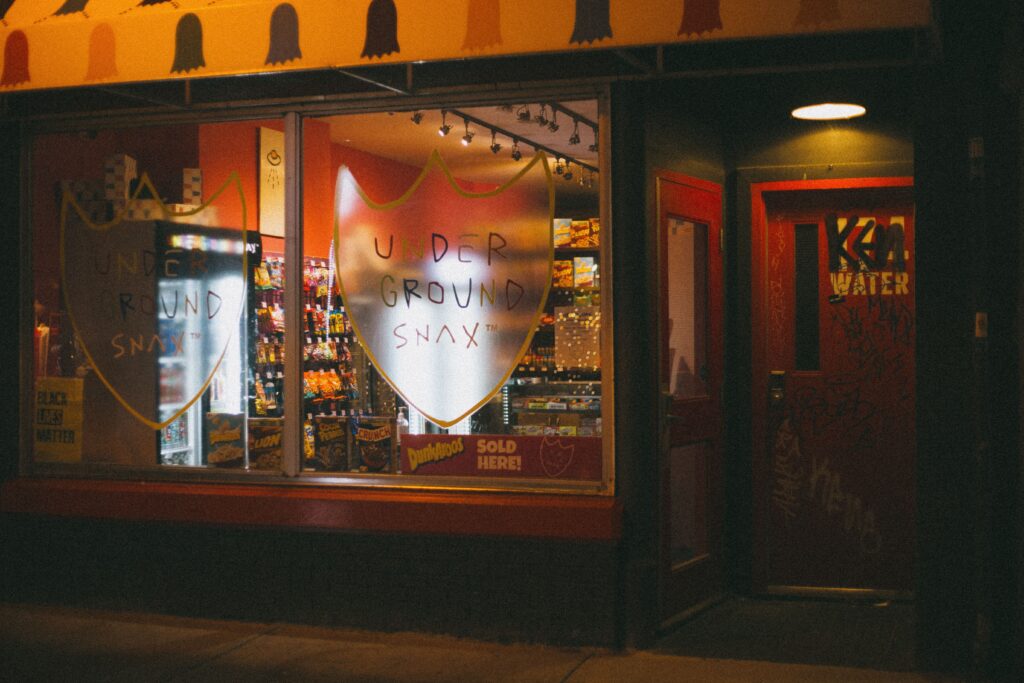
Late hours and after-hours visibility. Pawn shops typically close earlier than liquor stores but the storefront stays visible after close. Smoke shops often run later hours than liquor and the inventory stays visible on the wall behind the counter. Both create the same after-hours profile: a closed storefront with visible high-value product, walking distance from a transit stop, in a neighborhood where overnight foot traffic exists.
Add it up and the call I get from a pawn shop owner the morning after a break-in sounds almost identical to the call I get from a liquor owner the same morning. Same fix, mostly. Same product family. Same install conversation.
What’s actually different between a pawn shop and a smoke shop install?
A few specifics. Both worth knowing if you’re trying to decide what to spec.
Pawn shops have state licensing requirements that affect access. California pawn licensing requires specific record-keeping, inventory holds, and law-enforcement access on certain timelines. The shutter install can’t compromise the law-enforcement access path or block emergency egress. Most pawn shop installs spec a roll-down on the storefront and treat the back-of-house door (where police access typically happens) as a separate conversation. The front shutter goes up during business hours; the law-enforcement door stays accessible.
Smoke shops have more layout variety. A pawn shop is usually one open retail floor with a counter and a back office. A smoke shop can be anything from a small counter operation to a multi-room shop with separate display areas for vape, tobacco, and glass. The install can be a single storefront roll-down or it can be multiple shutters on multiple openings, depending on how the space is laid out and how the operator wants to schedule close.
Display jewelry inside the pawn shop wants its own daytime protection. Polycarbonate sheeting inside the jewelry display cases — same spec a jewelry store would use — handles the daytime smash-and-grab on the highest-value pawn inventory. The storefront shutter handles overnight. The two products together cover both threat windows. Smoke shops rarely need the polycarbonate layer because the inventory is behind the counter rather than in customer-accessible display cases.
The product family is the same for both categories. The placement, scheduling, and secondary layers shift between them.
What does the typical install look like?
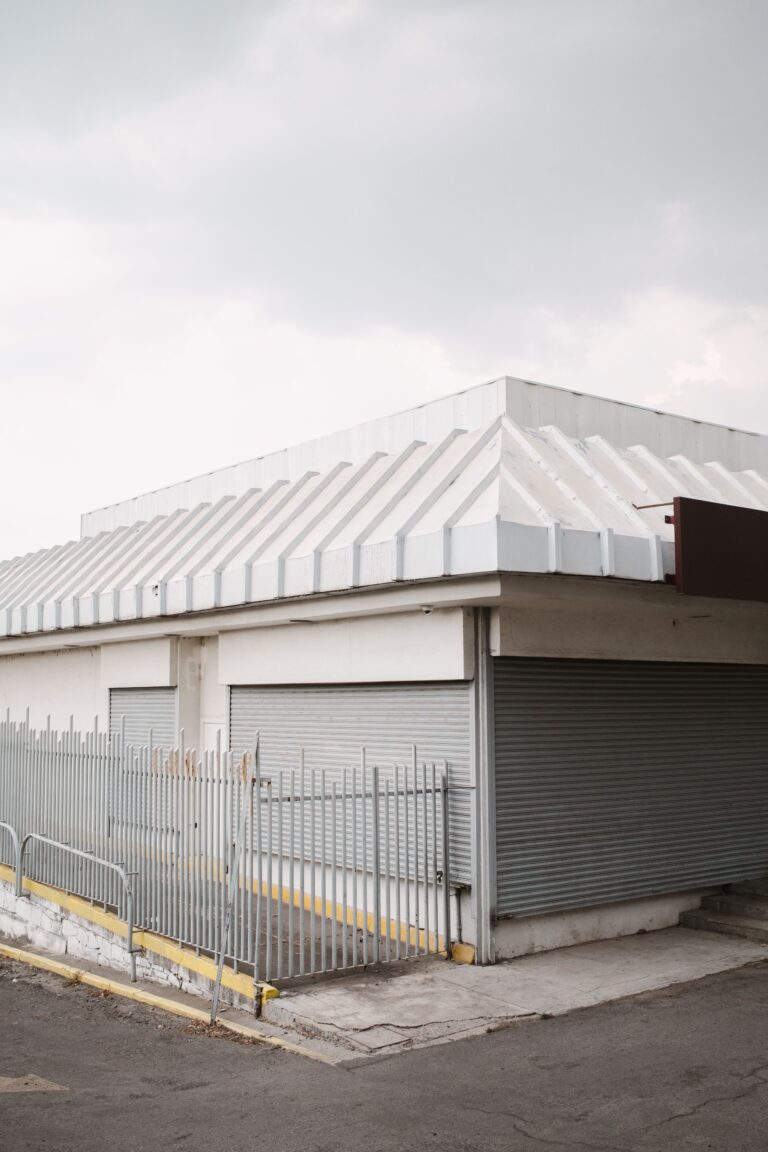
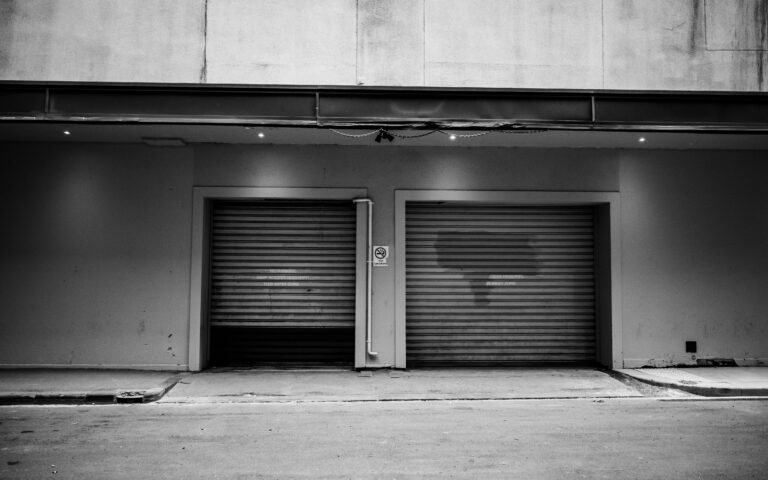
Solid roll-down on the storefront. Motorized with key-fob access. Exterior mount where the building allows it, interior where it doesn’t. The same default I’d run for a liquor store.
The differences from a liquor install are small. Manual override for power-out conditions is common on pawn shop installs because of the licensing access requirements. Counter shutters at the redemption window for pawn shops with separated back areas. Polycarbonate inside display cases for pawn shops holding high-value jewelry. Multiple smaller shutters at multiple openings for layout-heavy smoke shops.
Most installs go in over two to three days on site. Material lead time runs three to five weeks. The full install timeline from first call to operational is usually around six weeks. Faster if material is in stock; slower if the building requires permit work.
Where do owners get this wrong?
Three things I see often enough to flag.
Picking too thin a barrier because the storefront looks small. A small storefront doesn’t mean a small attack. The inventory inside doesn’t know the building is modest. Spec the shutter for the threat, not for the building footprint.
Treating the back door as an afterthought. Both pawn and smoke shops often have a back-of-house door that’s used for deliveries during the day and locked at night. That door is the realistic entry path for a planned attack on the back-room safe or storage. The storefront shutter handles the front; the back door needs its own attention. A reinforced commercial door with a real deadbolt and an alarm contact is usually enough; sometimes a back-door shutter is the right call.
Ignoring the daytime threat in pawn jewelry cases. The overnight install is the obvious one. The daytime grab-and-run on a visible high-value pawn item happens during business hours, behind a counter that has glass between the customer and the inventory. Polycarbonate inside the display case handles that. Pawn owners who spec only the storefront shutter and skip the daytime layer end up paying for two installs across two years instead of one install up front.
What should you do right now if you run a pawn shop or a smoke shop?
One — name your highest-value display before you call anyone. Walk the store the way an attacker would and identify the one display, counter, or case that holds the most value per square foot. That display drives the install spec. The storefront shutter protects the building; the secondary install (counter shutter, polycarbonate, additional roll-down) protects the high-value display.
Two — pull your licensing or permit document and read the security-related sections before the install conversation. Pawn shop licensing in California has specific access and inventory requirements that affect what the installer can spec. Smoke shop licensing requirements vary by city and by product category (tobacco, vape, cannabis-adjacent). Read the relevant sections and bring them to the first install meeting. The installer who doesn’t ask is an installer to be cautious about.
Three — separate the overnight conversation from the daytime conversation. The storefront shutter is the overnight install. Polycarbonate inside high-value cases is the daytime install. Counter shutters are independent-schedule installs. Treat them as separate decisions and the right product follows for each. Bundling them into one “what shutter do I install” conversation usually produces a worse install.
Questions pawn shop and smoke shop owners ask after reading this
Do pawn shops need a different shutter spec than smoke shops? Same product family for the storefront roll-down. The differences are in the secondary installs — pawn shops more often need polycarbonate inside display cases and counter shutters for the redemption window; smoke shops more often need multiple shutters across a layout-heavy floor plan. The shutter material itself is the same. The placement and the secondary layers differ.
How does state pawn licensing affect what I’m allowed to install? California pawn licensing requires that law-enforcement access paths stay accessible and that inventory holds remain compliant during business hours. The shutter install can’t block emergency egress or the law-enforcement door. Most pawn installs handle this by speccing the storefront shutter as a normal overhead roll-down and leaving the back-of-house access door on its own security treatment (reinforced commercial door, deadbolt, alarm contact). Read your specific license terms before any install; if your city has additional requirements beyond state licensing, they may also apply.
Will shutters affect my insurance pool rates or industry association membership? Sometimes. Pawn shop insurance and smoke shop insurance both treat documented physical security as an underwriting input. Most national pawn insurance pools weight a documented shutter install positively in renewal terms. Smoke shop insurance is more carrier-dependent — some carriers reward documented security, others use it as the bar for staying covered rather than for premium reduction. Ask your broker the specific impact question before you spec.
What about the back room and the safe — should I shutter the storefront or focus on the back? Both, but not the same install. The storefront shutter is the visible deterrent and the primary overnight barrier. The back-of-house safe should sit behind its own reinforced door with its own access controls, and most safe installations come with their own rating documentation. A storefront shutter on the front and an upgraded back-of-house door with proper hardware are complementary installs that cover two different threat paths. Don’t try to make one of them do both.
Where to start
If you run a pawn shop or a smoke shop and you’re not sure what to install where, send me your address and a description of your layout. I’ll walk it with you and tell you what I’d protect first. If your existing setup is fine, I’ll tell you that too.
— Jessie Bajwa
Owner, Affordable Security Shutters
Fairfield, CA · 707-840-3435