If you treat eyes for a living, you’re on a different security map than the dentist next door. Most people don’t think about that because both have “doctor” on the door. But one of you has a display case full of Gucci, Cartier, and premium frames facing the street, and the other has X-ray equipment locked in the back of the building. The first one is a storefront threat. The second one isn’t.
Specialty healthcare is a category I keep getting calls from — optometry mostly, occasional dental, the odd pharmacy and veterinary hospital. The patterns aren’t the same across the category. Here’s where optometry sits, why it differs from dental, and what the right install looks like.
Why does an optometry shop attract more storefront attention than a dental office?
Three reasons. None of them are subtle.
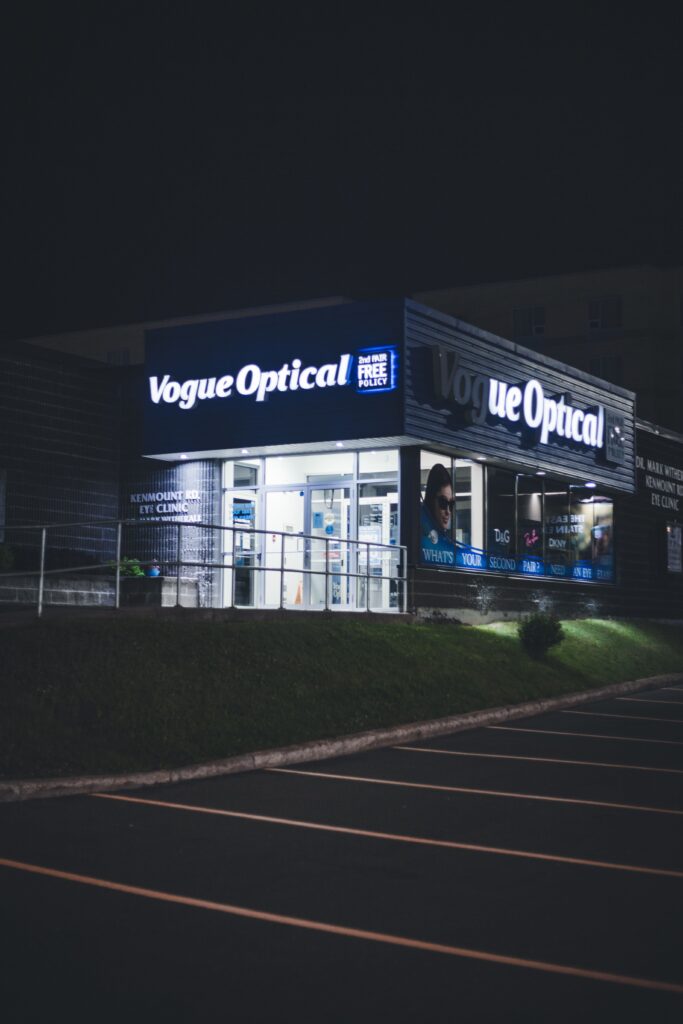
Visible high-margin inventory. Premium frames retail for hundreds to over a thousand dollars per pair. A single display window can hold thirty to sixty pairs. A single smash-and-grab on that window can mean a five-figure inventory loss in under a minute. Dental offices don’t have that exposure. The equipment that matters in a dental practice is heavy, plumbed in, and not in the windows.
The storefront is the marketing. Optometrists put the inventory on display because that’s part of how they sell. Walk past at lunchtime and you should see the brands. That same display works for an attacker walking past at 2 a.m. The thing that makes the marketing work is also what makes the storefront a target.
Single-hit exposure runs higher than the alarm response can recover. A smash-and-grab that takes ninety seconds is over before an alarm response arrives. By the time anyone shows up, the frames are in a bag and the bag is in a car. Dental equipment can’t move that way. Optometry inventory can.
Add it up and optometry calls me earlier in their business lifecycle, more often proactively, and with a different concern than a dental practice would. Most dentists I talk to are looking for general building security. Most optometrists I talk to are looking at one specific window.
What does a typical optometry shutter install actually look like?
Different from a liquor store, different from a jewelry store, different from a typical dental office.
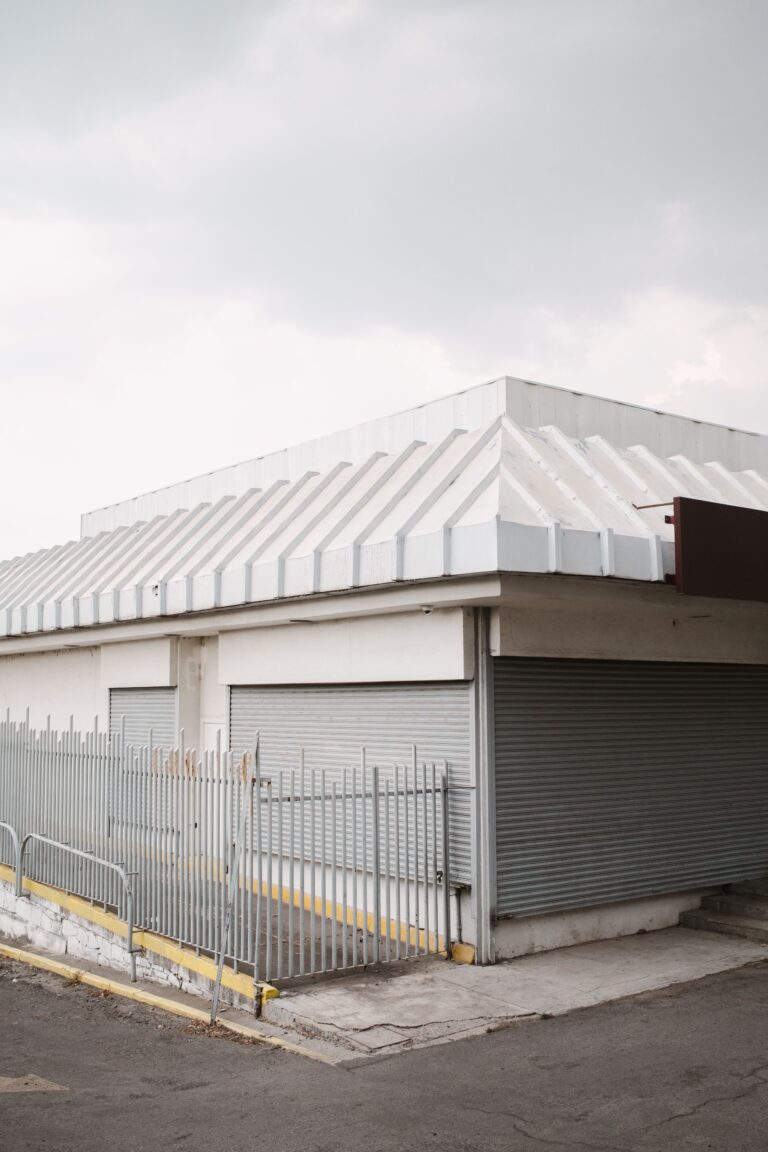
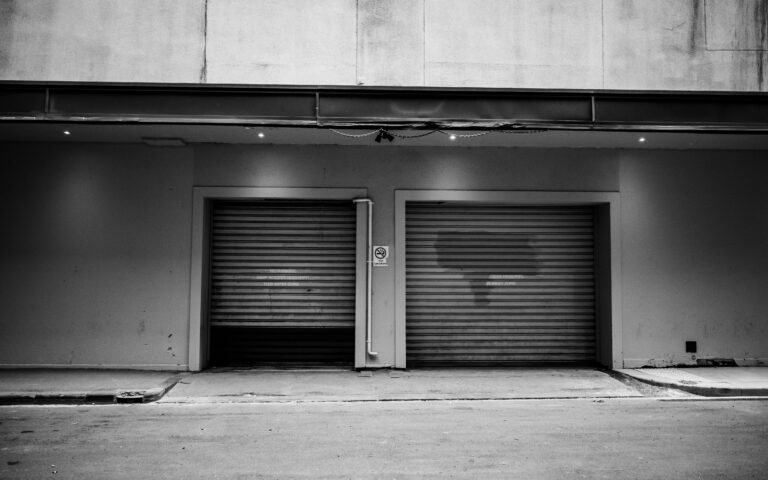
Interior mount is the default. Optometrists want the storefront to look like an optometry shop during the day, not like a hardened retail box. Interior shutters preserve the storefront’s natural look — the glass, the displays, the signage all stay visible from the sidewalk. The shutter only deploys at close.
Rolling shutter on the display window, not the whole front. The threat is specifically the display window, not the entry door (which is usually a less attractive target — it’s locked, alarmed, and the inventory closest to it is harder to grab). A targeted install on the display window gets you most of the protection at a fraction of a full-storefront install.
Counter shutter at the dispensing window if there is one. Some optometry practices have a dispensing or fitting counter that opens to a hallway or waiting room. If that counter holds inventory after hours and the rest of the practice doesn’t have line-of-sight to it, a counter shutter at close protects that opening on its own schedule. This pairs with the storefront shutter, doesn’t replace it.
Bronze or color-matched finish. Most optometry practices have a brand standard for the storefront — color palette, signage, sometimes specific architectural details. The shutter finish has to match that. Bronze is the dominant finish for high-end optometry. White or color-matched options work for practices with a specific brand palette.
The install conversation for an optometry practice is shorter than for a liquor store. The threat is more focused. The product decision is narrower. Most optometry installs I’ve done go from first call to operational in a few weeks.
What’s different about a dental office, a pharmacy, or a vet?
Pharmacy is the closest analog to optometry, but for a different reason. The threat at a pharmacy is the controlled-substance inventory, not the storefront display. Pharmacies that need shutters usually need them at the dispensing window and the back-of-house controlled storage, not the front of the building. The install conversation centers on counter shutters and interior partition shutters more than on storefront roll-downs.
Dental offices rarely need shutters. The inventory exposure is small. The equipment doesn’t move easily. The threat is closer to office security — alarms, access control, a good lock — than to storefront security. The dental practices that do install shutters usually do it for a specific reason: a building incident, a tough neighborhood, or sometimes an insurance carrier requirement for cosmetic dentistry practices with high-end equipment.
Vet practices are similar to dental. The exception is high-end veterinary surgical practices with imaging equipment, where the equipment value is closer to a dental practice’s and the threat profile shifts a little. Most vet practices don’t need shutters. The ones that do are usually responding to a specific local incident.
What should you do right now if you run an optometry practice?
One — walk your display window from the street at the time of day a threat would actually arrive. Not at noon. Stand outside after close, look at the window, and ask whether a person with a brick could be in and out before anyone responded. If the answer is yes, the display window is your real exposure and that’s where the install conversation starts. If the answer is no, your existing setup may be enough.
Two — talk to your insurance carrier about display-window protection specifically, not generic storefront security. Optometry insurance underwrites the frame inventory as a distinct exposure category. A documented display-window shutter install often moves the carrier’s risk assessment more than a general storefront upgrade. Ask your broker to weight the install against the inventory schedule, not against the building.
Three — match the finish to your brand standard before you commit to the install spec. The brand-team decision about color and finish should happen before the install conversation, not after. If you’re a small independent practice without a brand standard, bronze is the safe default for most aesthetics. If you’re part of a multi-location group, ask which colors and finishes other locations have used and follow the precedent unless there’s a reason to deviate.
Questions optometry practice owners ask after reading this
Will my insurance reward a shutter install the way liquor insurance does? Often more, actually. Optometry inventory is concentrated, high-value, and visible — exactly the risk profile carriers want documented protection on. The frame-inventory schedule on most optometry policies treats display-window protection as a distinct underwriting input. A shutter install with proper documentation often moves terms or premium more than the same install would on a liquor policy. Ask your broker for the specific input weight before you commit to spec.
How does the install affect storefront natural light during business hours? Zero impact. The shutter is fully retracted into a housing during the day and you can’t see it from inside the store or from the sidewalk. Some interior installs have the housing inside the ceiling soffit, making it completely invisible during open hours. The storefront looks identical to before the install. The change is only visible at close.
Can I install a shutter without disrupting patient appointments? Almost always yes. The on-site portion of an interior shutter install for a single display window is usually one day, and most of the work happens overhead inside the soffit while patient flow continues below it. The actual cut-in at the storefront frame takes a few hours and we can schedule it for a lunch break or before opening. The full install rarely closes a practice for more than half a day if the schedule is planned right.
My practice is in a medical-office building, not a street-facing storefront. Does any of this still apply? Less, but check your specific exposure. Medical-office buildings with interior corridors and locked-after-hours common areas have a much lower storefront threat than a freestanding optometry shop or a strip-mall location. The inventory is still high-value but the access path is harder. Most medical-office optometrists don’t need shutters. The exception is ground-floor practices with a window onto the street or the parking lot — those start to look more like a freestanding storefront than an office, and the install conversation makes sense.
Where to start
If you run an optometry practice and you’re not sure whether your display window needs protection, send me a photo of your storefront and a sentence about your hours. I’ll tell you what I’d install and where. If your existing setup is fine and you don’t need a shutter at all, I’ll tell you that too.
— Jessie Bajwa
Owner, Affordable Security Shutters
Fairfield, CA · 707-840-3435