I sell shutters. I also sell Riot Glass. Most of my installs are shutters. But there are storefronts where Riot Glass is the right answer and a shutter is the wrong one, and any honest installer will tell you that up front.
The decision between the two isn’t about which product is better. It’s about which product fits the building. Here’s how I walk the conversation when an owner asks.
What is Riot Glass and how is it different from a shutter?
Riot Glass is a rigid, multi-layer glass-and-film overlay applied directly to your existing storefront glass. It doesn’t roll. It stays in place permanently. Once it’s installed, you can’t tell from the sidewalk that anything’s changed.
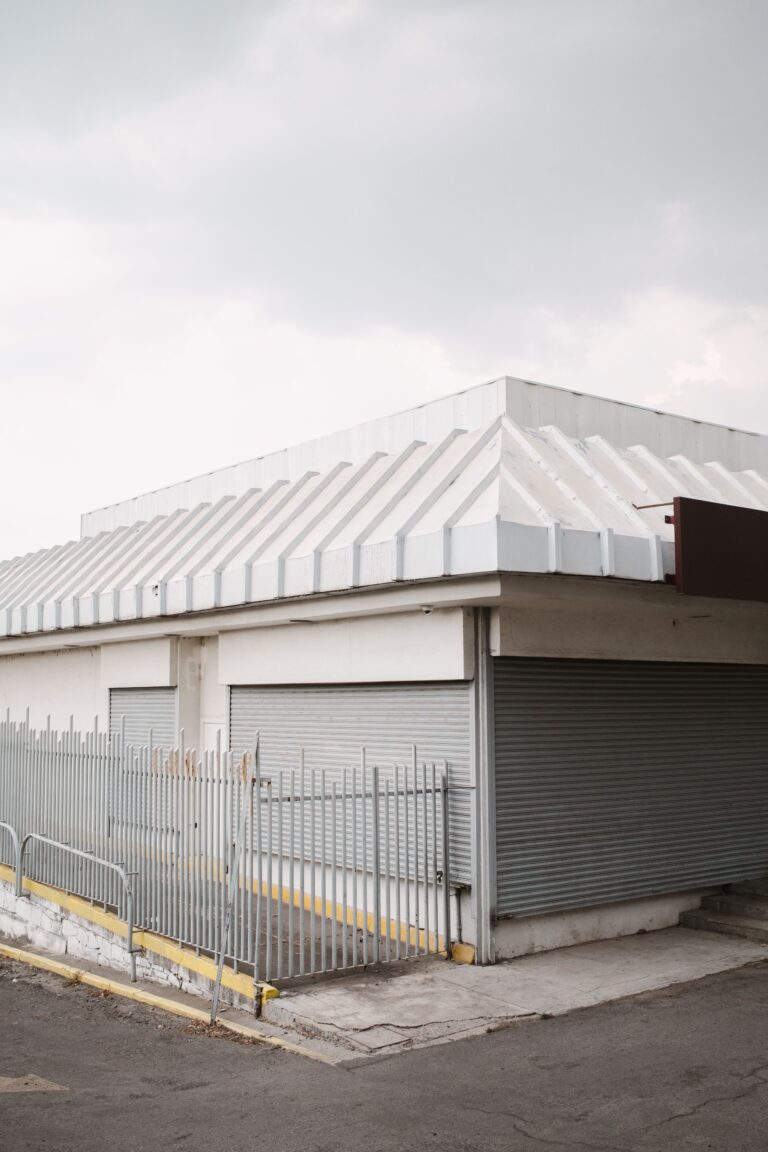
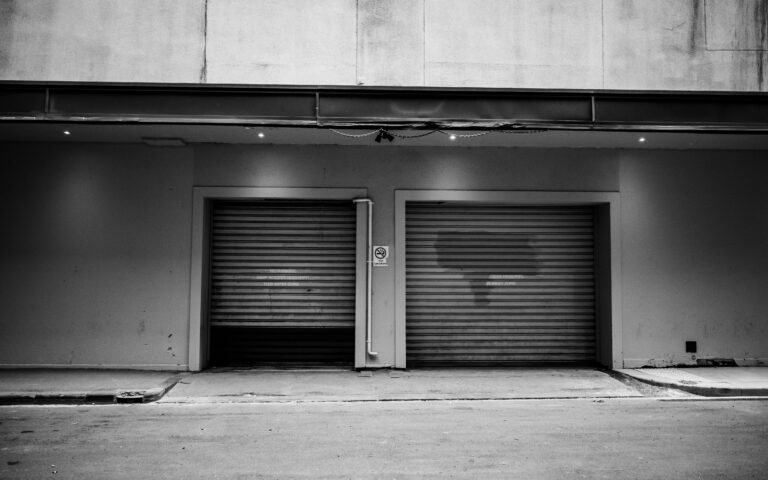
A shutter is a separate physical barrier that closes over the storefront at night and rolls back up in the morning. The shutter is visible — when it’s closed, the storefront looks closed; when it’s open, you see the housing box above the door.
Riot Glass is always there. The shutter is there only at close. That single difference drives every case where one product beats the other.
When does Riot Glass beat a shutter?
Three categories of building. If your storefront falls in any of these, Riot Glass deserves a real look before you commit to a shutter install.
Historic facade. A storefront with stone, brick, ornamental plaster, or any structural detail you can’t legally or practically drill into. A shutter needs a housing box mounted to the wall above the storefront. A historic facade often can’t take that. Riot Glass goes on the inside of the existing glass — no exterior modification, no drilling, no Planning approval for facade changes. For the historic blocks of San Francisco, Oakland, and parts of Sacramento where I work, this is often the only realistic path.
Luxury brand storefront. A high-end retailer that wants the storefront to look untouched from the sidewalk. Shutter housings are visible above the door even when the shutter’s up. Some brands accept this; others don’t. For the brands that don’t, Riot Glass disappears. The storefront looks like the building looked before. No housing, no track, no metal anywhere on the exterior.
Strict landlord or mixed-use building. Mixed-use buildings with residential above retail, shopping plazas with shared facades, and buildings under a design review board often restrict any exterior modification. Riot Glass touches only the inside of the glass — usually nothing the landlord or the review board has authority over. The conversation that takes six weeks for a shutter sometimes takes one for Riot Glass.
Where do shutters still win?
Three cases. If your storefront fits one of these, the shutter is the better install.
You need a visible deterrent. A storefront on a high-crime block or in a high-traffic theft area benefits from a barrier that’s clearly visible from the street. Shutters signal “this store is hardened” from a block away. Riot Glass is invisible from the sidewalk — the would-be burglar walking past doesn’t know it’s there until they try the glass and fail. For the operator who wants the threat deterred before it even starts, shutters win.
You have large openings. A wide storefront with multiple plate-glass panels is more economically covered by a single shutter that spans the whole opening than by Riot Glass applied panel by panel. The math flips around the 12-foot-wide mark in most cases. Bigger than that, shutters tend to win on cost. Smaller than that, Riot Glass often wins.
You want the inventory invisible at close. Riot Glass doesn’t change what’s visible through the storefront. The product on the shelf still shows from the street at night. For a liquor store, a smoke shop, or any business where night-time visibility of inventory attracts attempts, a solid shutter is the better answer. The shutter closes the window. Riot Glass leaves it open.
How does thickness change the Riot Glass math?
Riot Glass comes in three working thicknesses, and the choice matters more than most installers explain.
Quarter-inch. The thinnest option. Slows down a glass-breakage attempt — turns a one-second smash into a fifteen-to-thirty-second attempt. Enough time for an alarm to matter. Not enough to stop a determined attack with cutting tools. Best for storefronts where the primary threat is opportunistic smash-and-grab.
Half-inch. The middle option. Stops most attempted entries within a reasonable defense window. The dominant spec I install for high-end retail and historic-facade buildings. Heavier than quarter-inch but still installs without restructuring the glass frame.
One-inch. The heaviest option. Forced-entry rated against dedicated attacks with cutting tools. The right answer for jewelry storefronts, dispensary display windows, and other applications where a determined attempt is the realistic threat. The trade-off is weight — at one inch, the storefront frame sometimes needs reinforcement to support the load. That’s an extra structural conversation up front.
Don’t default to the thickest spec. Match the thickness to the threat. Quarter-inch on a coffee shop, one-inch on a jewelry store, half-inch on most everything in between.
What should you do right now if you’re choosing between Riot Glass and a shutter?
One — name your building constraint before you name the product. Is your facade historic? Does your lease restrict exterior changes? Is your storefront in a design-review district? The answers come before the product conversation. If the building constraint is real, Riot Glass is the path of least friction. If it isn’t, the shutter conversation stays open.
Two — answer the deterrent-vs-aesthetics question honestly. Do you want the storefront to look hardened from the street, or untouched? There’s no wrong answer — both are valid strategies — but they point to different products. Shutters communicate hardening. Riot Glass communicates nothing. Pick the message you want the storefront to send and the product follows.
Three — match the thickness to the realistic threat, not the worst-case threat. If you go with Riot Glass, the thickness decision is bigger than most installers explain. Pick by what’s actually likely to come through your glass — opportunistic smash, determined entry, cutting-tool attack — not by what could theoretically come through any glass anywhere.
Questions storefront owners ask after reading this
Can I have both Riot Glass and a shutter on the same storefront? Yes, and for some specific situations it’s the right answer. A jewelry storefront in a historic-facade building can get one-inch Riot Glass on the inside of the display windows for daytime protection and a perforated shutter interior-mounted for overnight. The two layers cover different threats at different times. The combined install is more expensive than either alone, but for the right business — high-value visible inventory plus building constraints — both products together is what the situation actually needs.
Does Riot Glass affect natural light coming into the storefront? A small amount. Half-inch and one-inch Riot Glass has a slight green or grey tint depending on the manufacturer’s spec. Most operators don’t notice it once it’s installed. If natural light is a critical part of the storefront experience — a designer brand that depends on daylight on the floor — ask the installer to bring a sample to hold against your existing glass before you commit. The visual change is small but it exists.
Will my landlord need to approve Riot Glass even though it’s interior? Usually no, but check the lease anyway. Most leases restrict exterior modifications and don’t address interior glass treatment. Riot Glass falls in the gap. The exception is a lease that requires landlord approval for any modification to “structural elements” — some leases treat the storefront glass as structural. Read the language and clarify with the landlord before install if there’s any ambiguity. The conversation is usually quick because Riot Glass leaves no visible trace, but get it on paper anyway.
How does Riot Glass hold up to UV and sun fade over time? The film component is manufactured to resist UV degradation and most installs hold their clarity for fifteen to twenty years. The glass itself doesn’t fade. What can change is the appearance of the bonding edge — over years, the edge where the film meets the glass frame can develop a subtle line that’s visible up close. That’s cosmetic, not structural. For most storefronts it doesn’t matter. For a luxury brand storefront, ask the installer about edge treatment up front.
Where to start
If you’re not sure whether your storefront wants Riot Glass, a shutter, or both, send me a photo of your building and a sentence about what you’re worried about. I’ll tell you what I’d pick and why. Both products are in my catalog and I don’t have a preference between them. I have a preference for installing the right one.
— Jessie Bajwa
Owner, Affordable Security Shutters
Fairfield, CA · 707-840-3435