A general contractor I install for called me into a jewelry store in San Francisco a couple of years back.
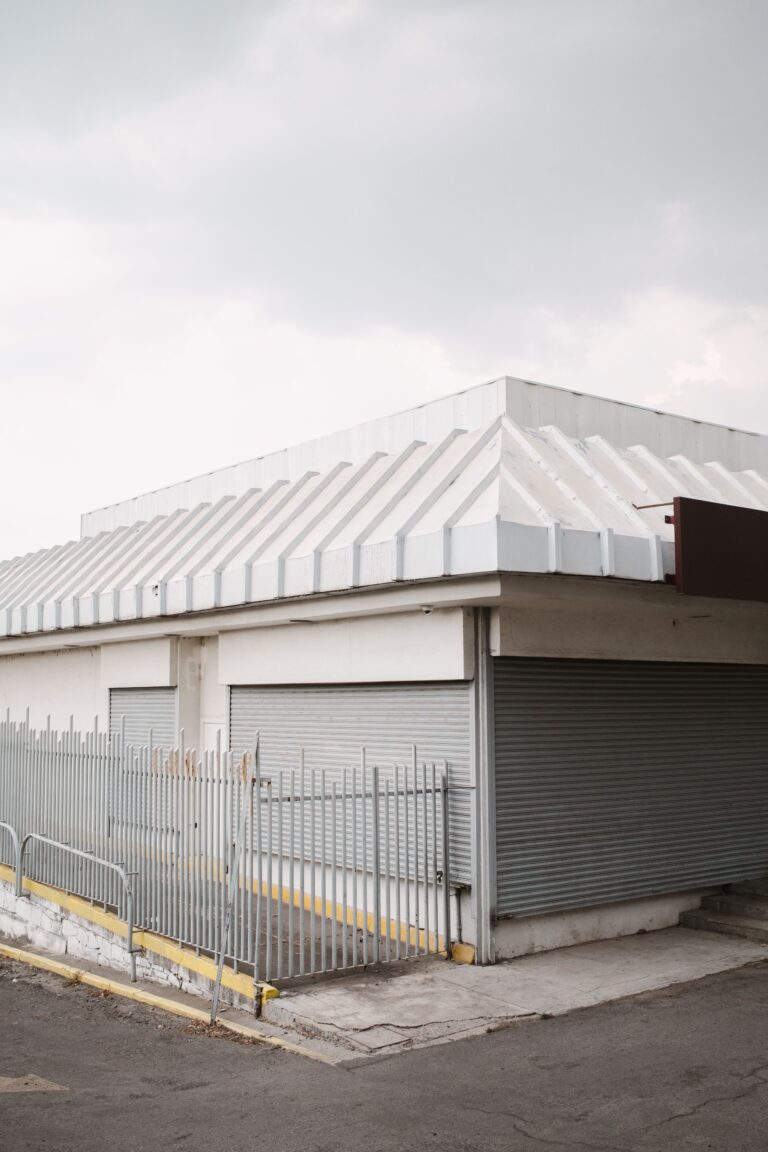
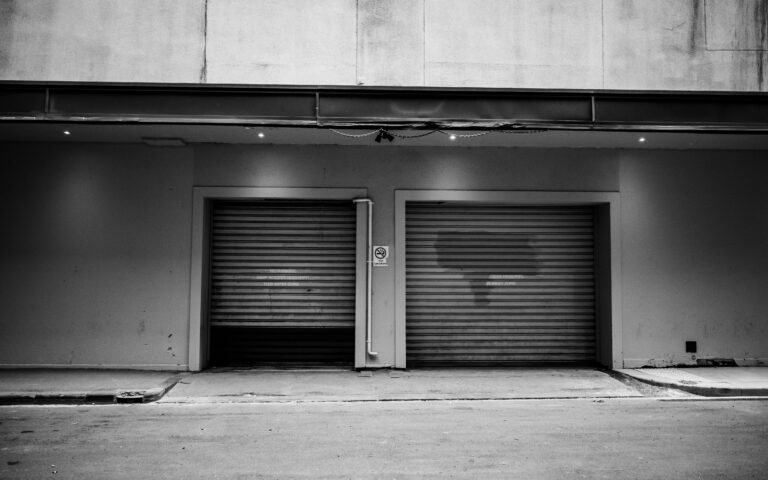
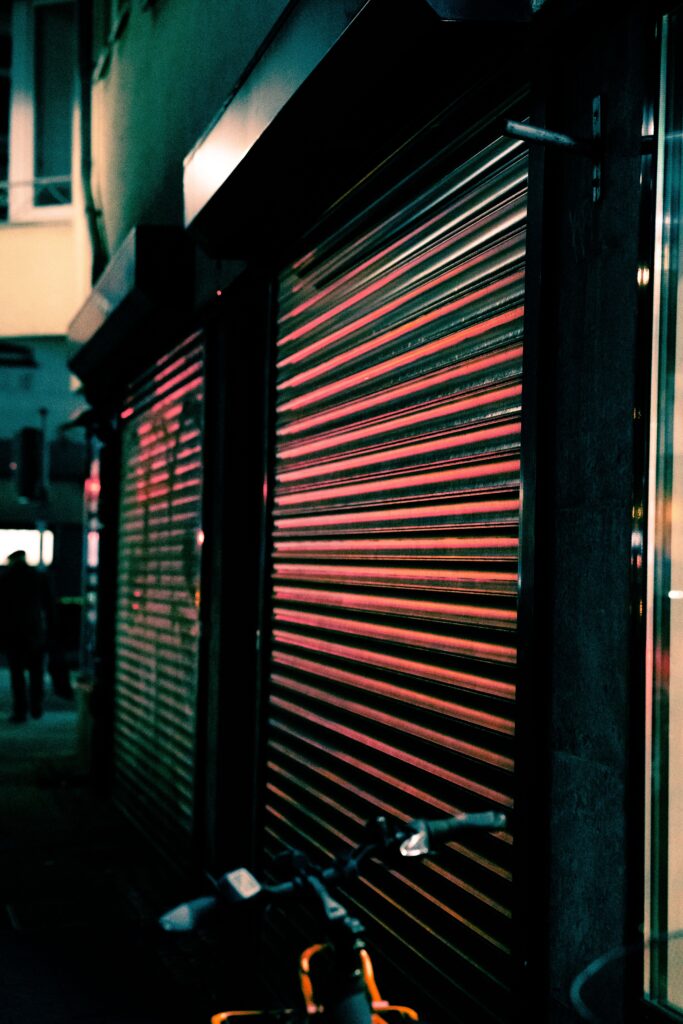
Six shutters across the front. Bronze finish, perforated — the kind you can see through. That wasn’t my call, and it wasn’t the owner’s. San Francisco wants storefront security you can see through, so a passing patrol or a camera can still read the inside of the store when the alarm’s going at two in the morning. A solid shutter closes a high-end block off like a loading dock. A perforated one keeps the look and still hardens the front.
I did the install and moved on. But that store is the one I come back to when a jeweler asks me what a shutter is doing for them. Because the honest answer catches most of them off guard.
What is a jewelry store protecting at night?
Less than you’d think.
Any jeweler running the store right is putting the real value in the safe at close. The loose stones, the high-end pieces, the watches that cost more than a car — those come off the floor every night and go into a rated safe in the back. The safe is the vault. The shutter is not the vault.
So when someone sells you a shutter by telling you it guards a quarter million dollars in inventory overnight, they’re selling you a story. That inventory isn’t on the floor overnight. What the storefront shutter does after close is make your store the hard one on the block and buy time if someone tries anyway. A jewelry store lit up behind a closed shutter is a store a smash-and-grab crew reads and skips. That’s the overnight job, and it earns its keep. The safe guards the value. The shutter guards the storefront. Nobody should sell you one as the other.
So where’s the real fight? The display case.
During open hours.
The attack a jeweler loses to is the daytime smash-and-grab. Two or three people walk in, one pulls attention, one puts a hammer through a display case, and they’re out with what was inside in under a minute. The safe does nothing for you there. The pieces are out on the floor because you’re open and selling.
The shutter can’t reach that one either — it’s up, the store’s open. The layer that wins the display case is polycarbonate: a clear, rigid sheet set into the case so the hammer bounces instead of breaking through. They swing, the case holds, the grab window closes, and most of them walk rather than stand there working a case that won’t give while the room watches. Polycarbonate on the cases is the daytime version of what the shutter does at night. It takes the easy grab off the table.
What the full set of layers looks like
No single product covers a jewelry store. I walk it in layers, from the sidewalk in.
The storefront glass. Riot Glass goes on the inside of your existing windows. You can’t see it from the street, and it turns a pane that shatters in one hit into one that holds through a long, loud, pointless attack. For a high-end front that has to keep looking like a high-end front, Riot Glass is the layer that doesn’t show.
The close. A perforated shutter — see-through where the city wants visibility, solid where it doesn’t. That’s the deterrent and the time-buyer for the overnight hours.
The door, open hours. A lot of jewelers I’ve talked to run a buzz-in: the door holds locked on a magnet, they read who’s walking up, and they release it for a real customer. It screens the group in hoodies before they’re ever inside.
The cases. Polycarbonate, so the daytime hammer doesn’t pay off.
Each layer covers a gap the others can’t reach. The shutter does nothing at noon. The buzz-in does nothing at two in the morning. The safe does nothing while you’re open. Put together, they make every version of the attack slow, loud, and barely worth trying.
Where does this stop working?
I’ll tell you the part a lot of installers won’t.
None of this stops an armed robbery. If someone walks in, pulls a gun, and puts an employee on a case to open it from the bottom, no barrier I sell changes that moment. That isn’t a shutter problem or a polycarbonate problem. It’s a monitoring-and-response problem — a hidden button, a camera someone is watching, a plan the staff has rehearsed. I’d rather tell you that up front than sell you a barrier and let you think it made you untouchable.
There’s no hundred percent here. What I can do is take the easy attacks — the night smash of the storefront, the daytime hammer on a case — and make them not worth the trouble. The rare, violent one is a different conversation. It’s an honest one to have before you spend a dollar with me.
Where to start
If you run a jewelry store and you’re trying to figure out which layer you’re missing, give me a call. I’ll come walk it with you — the front, the door, the cases, the back. If you’ve already got the layers that matter, I’ll tell you that and leave you to it. If there’s a gap a crew would find, I’d rather you hear it from me than from them.
— Jessie Bajwa
Owner, Affordable Security Shutters
Fairfield, CA · 707-840-3435