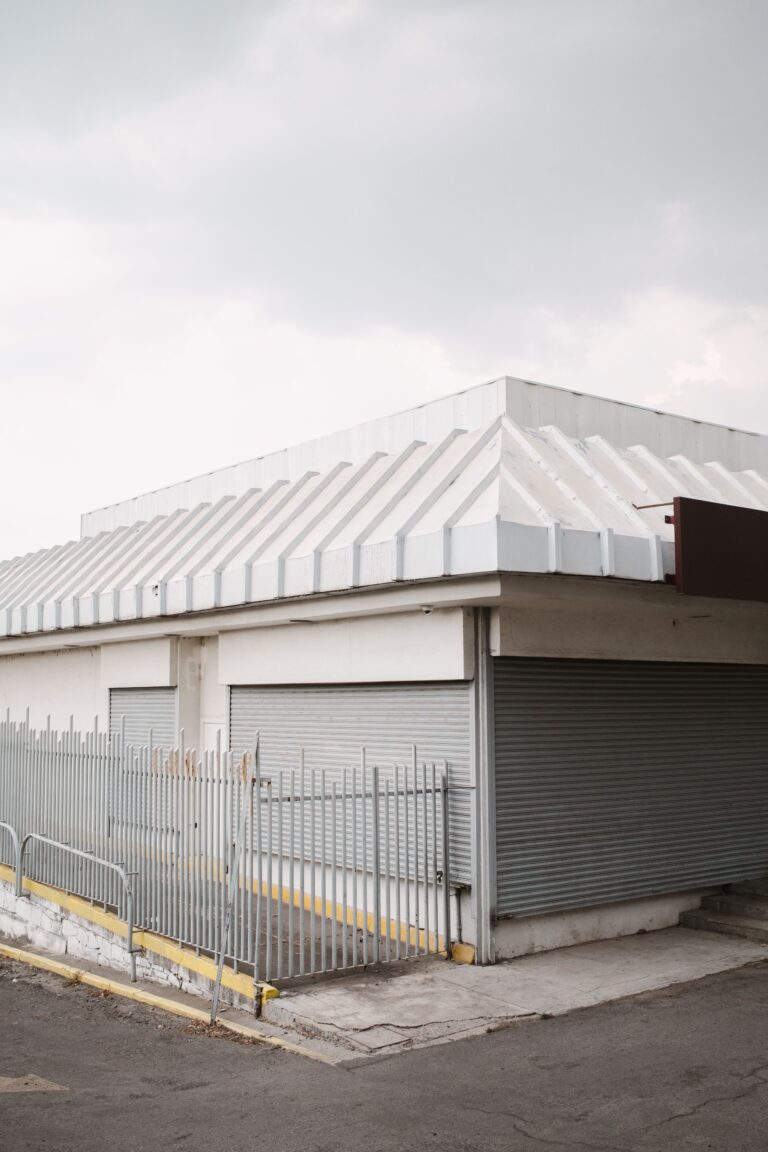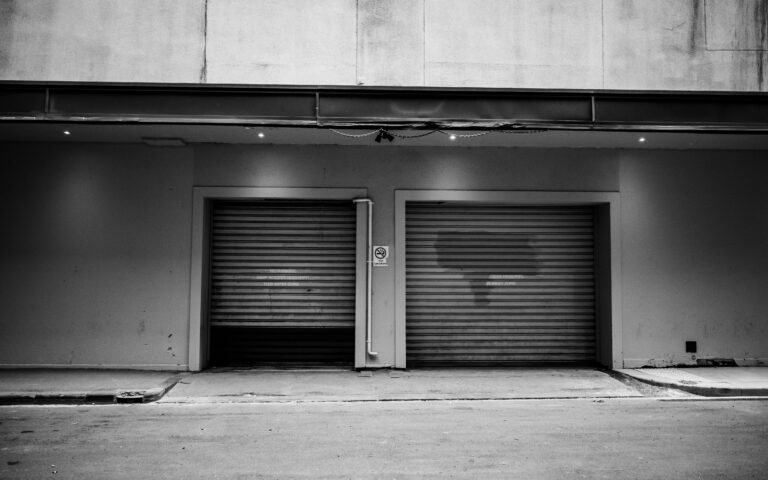
A liquor store owner in the East Bay asked me a question I respect. He pointed at the shutter on the store two doors down and asked me, plainly, whether it actually stops anybody or just looks tough.
Fair question. I’d rather he ask it out loud than pay me and quietly wonder later.
So here’s the honest version, the same one I gave him standing on the sidewalk.
A shutter has one job: it adds time
A break-in is a clock. Somebody has decided to get in, take what they can carry, and be gone before anyone shows up. Everything about the way they work is built around speed.
A security shutter attacks the one thing they can’t afford to lose, which is time. A reinforced aluminum shutter doesn’t fall to a shoulder or a boot. It doesn’t peel back from a quick pull. To get through it, somebody has to stand at your storefront, in the open, making noise, for a lot longer than they planned to.
A shutter makes your store the harder one on the block. On most nights, that is the whole game.
The crew is shopping for the easiest door
People picture a break-in as somebody fixated on your store. Most of the time it’s the opposite. A smash-and-grab crew is shopping. They drive a strip, they look at the row of storefronts, and they pick the one that costs them the least time and the least noise.
A glass door with no barrier and cases of inventory sitting in plain view through the window is the easy pick. A storefront with a shutter down is a problem they didn’t come to solve. So they keep driving to the store that didn’t put one up.
I’ve watched this play out down whole blocks. One store gets hit, the store next to it with the shutter doesn’t, and the owner who got hit calls me the next week. The shutter didn’t have to be bulletproof. It just had to make the store next door the softer option.
What the alarm and the camera don’t do
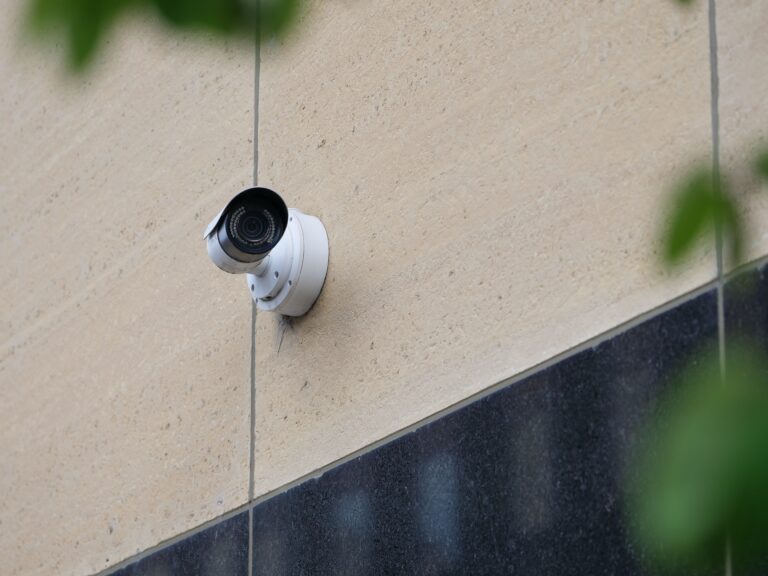
Owners tell me all the time that they already have an alarm and cameras, so they’re covered. I install alongside cameras all the time, and I think they earn their place. But be clear about what each one does.
An alarm reports the break-in after somebody is already inside. A camera records it. Neither one is standing between the person and your inventory. By the time police can get to a storefront, you’re often talking about several minutes, and a few minutes is a long time for somebody grabbing cartons off a shelf. The shutter is the only layer in that list that’s physically in the way while it’s happening.
What I actually see in the field
I’ve put in more than 500 shutters across Northern California since 2019, and the pattern in my own job book tells me something.
Most of my repeat customers don’t come back because a shutter failed. They come back because they opened another store. One operator I’ve worked with has bought shutters for close to a dozen storefronts over the years, one location at a time. When a customer calls me a second time, it’s almost always “I’m opening a new spot, come measure,” not “somebody got through the last one.”
The attempts I do hear about tend to end the same way. Somebody tried the door, the alarm went, and they were gone without getting in. That’s the shutter doing exactly what it’s for. It turned a break-in into a story about a scare.
Where a shutter is not the answer
I’ll tell you the limits too, because pretending a shutter solves everything is how you lose trust.
A shutter won’t stop a vehicle. If somebody is willing to drive a car through your front, that’s a different conversation about bollards and layered defense. A shutter also doesn’t do much for a daytime grab-and-run while you’re open — that’s where laminated Riot Glass on the storefront or polycarbonate on your display cases does the work instead. And a shutter on a store where the real weak point is a side wall or a roof hatch is just decoration on the wrong opening.
Good security is about matching the layer to the actual weak point. Sometimes that’s a shutter. Sometimes it isn’t, and I’ll tell you when it isn’t.
Where to start
If you’re standing where that East Bay owner was standing, looking at the shutter next door and wondering whether it’s worth it, the honest way to find out is to have someone look at your specific storefront. Give me a call. I’ll come walk it with you. If a shutter is the right answer for your openings, I’ll tell you that. If it isn’t, I’ll tell you that too.
— Jessie Bajwa
Owner, Affordable Security Shutters
Fairfield, CA · 707-840-3435