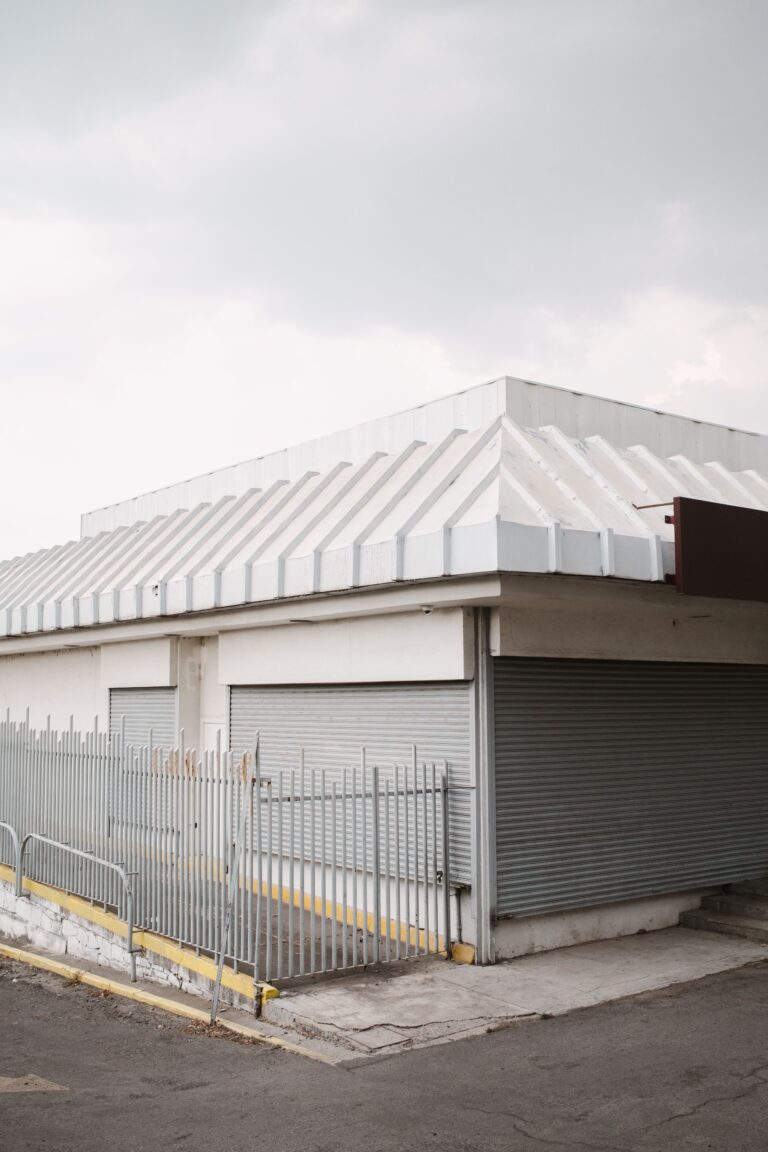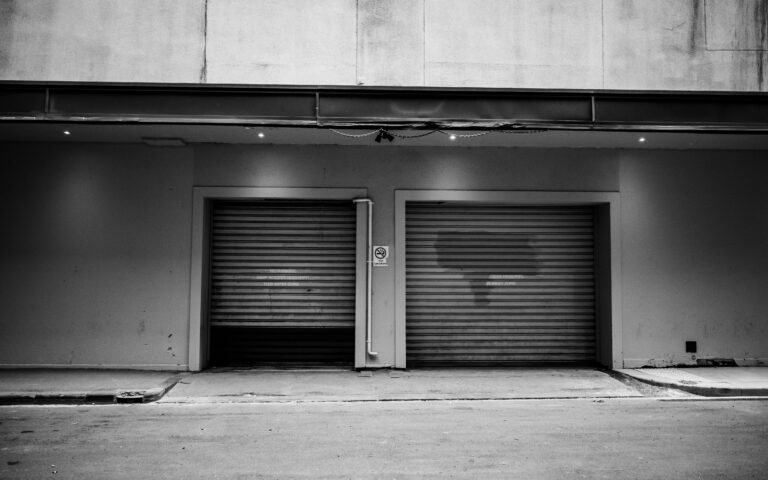
Every install conversation eventually arrives at the same question. You can spec a roll-down on the front, you can do the back-of-house door, you can polycarbonate the display glass. You can do all three. Most owners can only do one or two at a time. So which one first?
I get asked this every week. The honest answer requires looking at install data, not gut feel. Across nine years of jobs I’ve worked the pattern is clearer than I’d have guessed before I sat with the numbers. Here’s what the data actually says — and how to use it to decide what to install on your own building.
What do nine years of installs say about where storefronts get hit?
Three patterns hold across the data.
The storefront glass takes the most attacks on retail with visible inventory. Liquor stores, smoke shops, cannabis retail, optometry, jewelry — anywhere the inventory is visible from the sidewalk, the glass is the path of entry. The attacker doesn’t bother with the door. The door is locked, alarmed, and structurally harder to defeat than a sheet of tempered glass. A brick takes the glass in seconds and the attacker is inside before the alarm finishes its first cycle.
The back-of-house door takes the most attacks on businesses with high-value back inventory and a less visible storefront. Pharmacies, pawn shops with back-room safes, restaurants with walk-in inventory, cannabis with bulk product storage. The front looks unrewarding to a planner because the inventory isn’t on display. The back door is where the real product lives. Planned attacks on these businesses come through the back.
The front door takes the most attacks on offices, professional services, and businesses with cash but no inventory. Veterinary practices with controlled-substance cabinets, dental offices with high-end equipment, accounting offices with petty cash. The front door is the path because there isn’t a storefront-glass exposure to exploit and the back-of-house doesn’t hold enough to draw a planned attack.
Pattern is the wrong word, actually. It’s three different patterns layered on a single building decision. Which pattern your business sits in determines which opening to install on first.
Why does the storefront glass dominate the data for visible-inventory retail?
Because the attacker is making a single decision and the glass is the lowest-effort answer.
A storefront glass panel is typically tempered, sometimes laminated, occasionally a double layer. None of those are barriers to a brick. The pane breaks, the attacker steps through, the grab happens inside thirty seconds, the attacker is gone before the first responding unit arrives. The dollar-per-second math for an attacker is best at the glass. So that’s where they go.
The implication for the install is straightforward. If you run a business where the inventory is visible through the storefront, the storefront glass is the first opening you protect. Not the door. The door is rarely the entry point on a visible-inventory retail attack. The glass is.
This is why most of the liquor, cannabis, and optometry installs I’ve done over the last several years are storefront-glass installs. The door gets a deadbolt and an alarm contact and that’s typically enough. The glass gets a roll-down shutter or polycarbonate sheeting or both.
Why does the back-of-house door dominate the data for bulk-inventory businesses?
Because planned attacks on bulk inventory are economically rational only if they can move volume. And the back door is where volume moves.
A pharmacy with a controlled-substance vault doesn’t get hit through the dispensing window. The dispensing window is small, the inventory inside is metered, and the alarm response is fast. The pharmacy gets hit through the back-of-house door, where the attacker can carry out cases of product without trying to squeeze through a customer-side opening. Same for a pawn shop with a back-room safe. Same for a cannabis retailer with bulk storage that doesn’t sit on the sales floor.
The implication for the install is that the front-of-house shutter on these businesses is partial protection. The real install is the back door — reinforced commercial-grade door, real deadbolt, alarm contact, sometimes a back-door roll-down shutter. The order of operations is back first, front second.
This catches owners by surprise more than any other entry-point question I get asked. The instinct is to harden the visible part of the building. The data says the visible part isn’t where the planned attack arrives.
Why does the front door dominate the data for professional-service offices?
Because there’s no other path that makes economic sense.
A dental office doesn’t have storefront glass to exploit (most dental offices have private-windowed waiting rooms or no street-facing glass at all). The back-of-house is small, the inventory is heavy equipment, and there’s no bulk product to carry out. The only realistic attack is on cash in the office or on the access path to administrative records. That attack comes through the front door at night when the office is closed.
The install on these businesses is the front door, not the storefront and not the back. A reinforced commercial-grade door, a real deadbolt, an alarm contact, and sometimes a front-door roll-down or grille if the neighborhood threat level supports it. The storefront and back-of-house typically don’t justify their own installs on a professional-service building.
Which pattern does my business fit?
Three questions answer this.
One — can a sidewalk pedestrian see inventory through your storefront glass at night?
If yes, you’re in Pattern One. Storefront glass is your first install. Liquor, smoke, cannabis, optometry, jewelry, electronics, watches, dispensaries, headshops, vape stores, frame galleries. The storefront-glass install is non-negotiable for the visible-inventory category. The back door is a secondary install. The front door is third.
Two — does your business hold bulk inventory in a back room that you regularly move in and out through a back-of-house door?
If yes, you’re in Pattern Two. The back-of-house door is your first install. Pharmacies, pawn shops, cannabis retail with bulk storage, restaurants with high-value walk-in inventory, hardware stores with back-room stock. Your storefront install is partial protection. The real install is the back. Counter shutters and back-door shutters cover the bulk-inventory exposure. Storefront shutters handle the overnight visual deterrent.
Three — if neither one and two apply, are you a professional-service business or an office with cash on premises?
If yes, you’re in Pattern Three. The front door is your only realistic install. Reinforced front door, deadbolt, alarm contact, and sometimes a roll-down or grille depending on the neighborhood threat profile. Most professional-service offices don’t need shutters at all. The ones that do are usually responding to a specific local incident or a specific insurance carrier requirement.
If you fit two patterns at once — which happens, a cannabis retailer with bulk storage fits both Pattern One and Pattern Two — install on both openings. The storefront glass and the back-of-house door are independent threat paths and both warrant their own install. Don’t try to make one shutter cover two patterns.
Where do owners get the entry-point decision wrong?
Two failure modes I see often enough to flag.
Hardening the front door on a visible-inventory storefront. This is the most common mistake I correct on first walk-through. The owner has invested in a heavy front door and assumes the storefront is protected. The data says the front door isn’t the entry path. The glass is. A heavy front door on a liquor store buys very little against the actual threat. The shutter has to go on the glass.
Ignoring the back door on a pharmacy or pawn shop because the storefront looks more vulnerable. The storefront looks vulnerable to a non-attacker. The attacker isn’t a non-attacker. A planned attack on a pharmacy comes through the back, where the bulk inventory and the safe live. The storefront shutter is visible deterrent; the back door is the real install. Skipping the back-of-house install and only doing the front is buying half the protection at most of the cost.
What should you do right now?
One — walk your building from the outside with one question in your head: “where would I go in if I had two minutes and a crowbar?” Whatever opening you would attack is the opening to install on first. Most owners answer this honestly when they actually try the exercise. The honest answer is usually different from what the owner had been planning to install.
Two — read your inventory schedule before your building exposure. What you have inside drives the install spec more than what your building looks like outside. A visible-inventory schedule means the install goes on the visible side. A bulk-inventory schedule means the install goes on the back. A no-inventory professional-service schedule means the install (if you need one at all) goes on the front.
Three — separate the question of “which opening” from the question of “what product.” The opening is determined by the pattern your business fits. The product (shutter, polycarbonate, reinforced door, grille) is a separate decision driven by aesthetics, threat level, and budget. Don’t let a strong opinion about product type push you to install on the wrong opening.
Questions storefront owners ask after reading this
What if I’m in Pattern One but the storefront glass is huge and full-coverage shutters aren’t in the budget? Polycarbonate sheeting on the inside of the glass is a partial answer at a fraction of the cost. It doesn’t replace a full-storefront shutter but it raises the time-to-defeat on the glass from seconds to minutes, which often pushes a casual attacker to a different target. The polycarbonate install can also bridge the period before a full-storefront shutter install becomes affordable.
How do I tell which opening insurance carriers care about? Ask the underwriter directly. Most commercial carriers in California in 2026 weight a documented physical-security install on the opening that matches the inventory exposure on the policy schedule. Visible-inventory schedule means the carrier wants storefront-glass protection. Bulk-inventory schedule means the carrier wants back-of-house protection. The carrier’s underwriter is the one who can confirm what the policy specifically rewards.
Can I install on more than one opening at a time? Yes, and if your business fits two patterns (like cannabis retail with bulk storage), you typically should. Most multi-opening installs go in over a few days on site and can be scheduled to minimize business disruption. The order of operations on a multi-opening install matters — start with the highest-traffic opening on your closing schedule so the install integrates into the daily close as fast as possible.
Does this pattern apply to industrial buildings, warehouses, or non-retail facilities? Partially. The same logic — find the opening that matches the inventory exposure — applies. But industrial and warehouse buildings have additional opening types (overhead loading doors, dock doors, fence gates) that change the calculation. For those buildings the install conversation starts with the perimeter rather than with a single opening. The retail-storefront pattern doesn’t fully translate.
Where to start
If you’re staring at your building and not sure which opening to install on first, send me a photo of the front, the back, and any major glass. I’ll tell you which pattern I think you fit and which opening I’d install on first. If your building looks fine the way it is, I’ll tell you that too.
— Jessie Bajwa
Owner, Affordable Security Shutters
Fairfield, CA · 707-840-3435