This was December 2020. I’d been doing shutters a while, but this was one of the jobs that made me stay in it.
A social services organization in Sacramento called me. I don’t know how they got my number. Never found out.
A state inspector had walked in and told them they had a problem. Not a break-in. Not a theft. An inspection. He said, we don’t think you’re secure enough here.
The organization handles state-contracted work — the kind of place where people come in with paperwork, and the staff certifies them for benefits. Which means the building holds records. Which means the building holds social security numbers.
That’s what the inspector was worried about. Not cash. Not inventory. If somebody breaks in at night, they’re not stealing a register. They’re stealing a filing cabinet. And what comes out of that filing cabinet is a bigger problem than any one store getting hit.
Their license was on the line. Until they fixed it, the state wasn’t renewing.
A week later, I was on site.
What “not secure” means when it’s the state saying it
Most people think about shutters after something goes wrong. Somebody breaks in. They call me the next morning. That’s the usual call.
This one was different. Nothing had happened yet. But the state had categories of risk in their head, and once an inspector flags you, you’re on a clock.
For this kind of organization, the inspector is looking at a few things. Can somebody see into the building from the street after hours. Can somebody get through a window with no real effort. Is what’s inside worth the effort. For a records-heavy operation, the answer to that last one is always yes, because what’s inside isn’t the thing you’re stealing — it’s the thing you’re using to steal from other people later.
So when he said “not secure,” what he meant was: twelve exterior windows that anybody with a rock could get through, and inside those windows, enough personal information to do real damage.
They’re not stealing a register. They’re stealing a filing cabinet. And what comes out of that filing cabinet is a bigger problem than any one store getting hit.
What went in
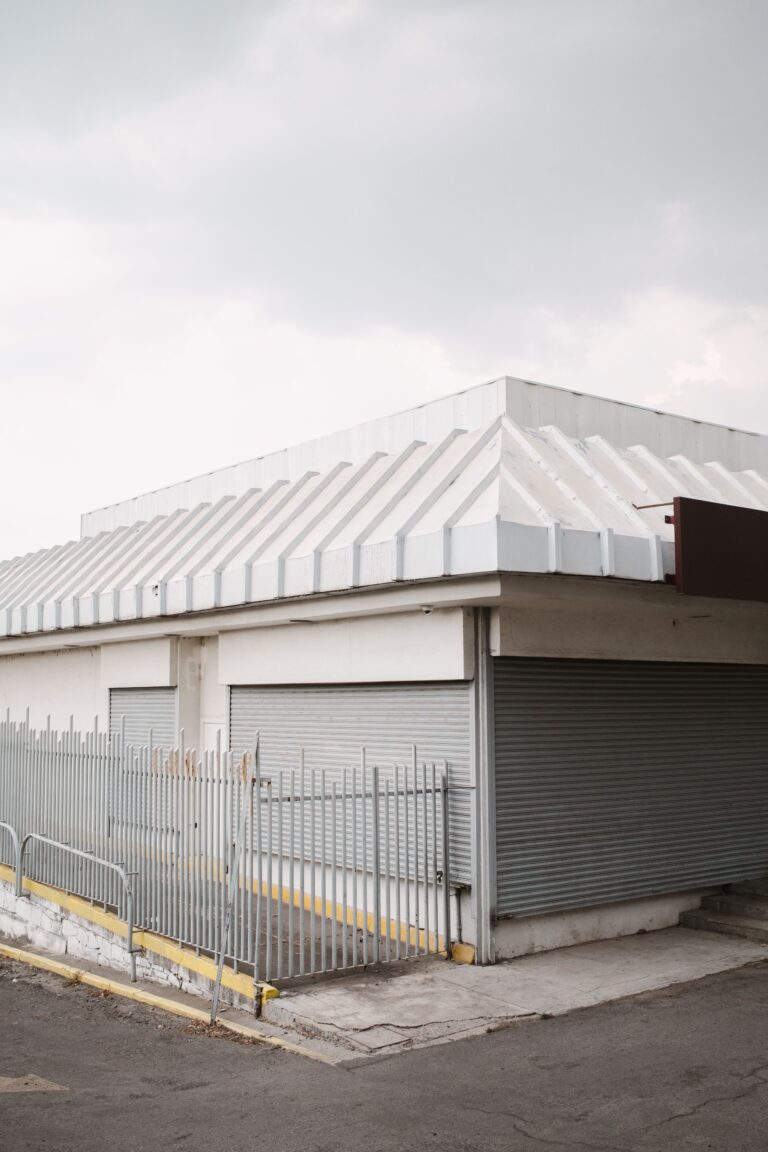
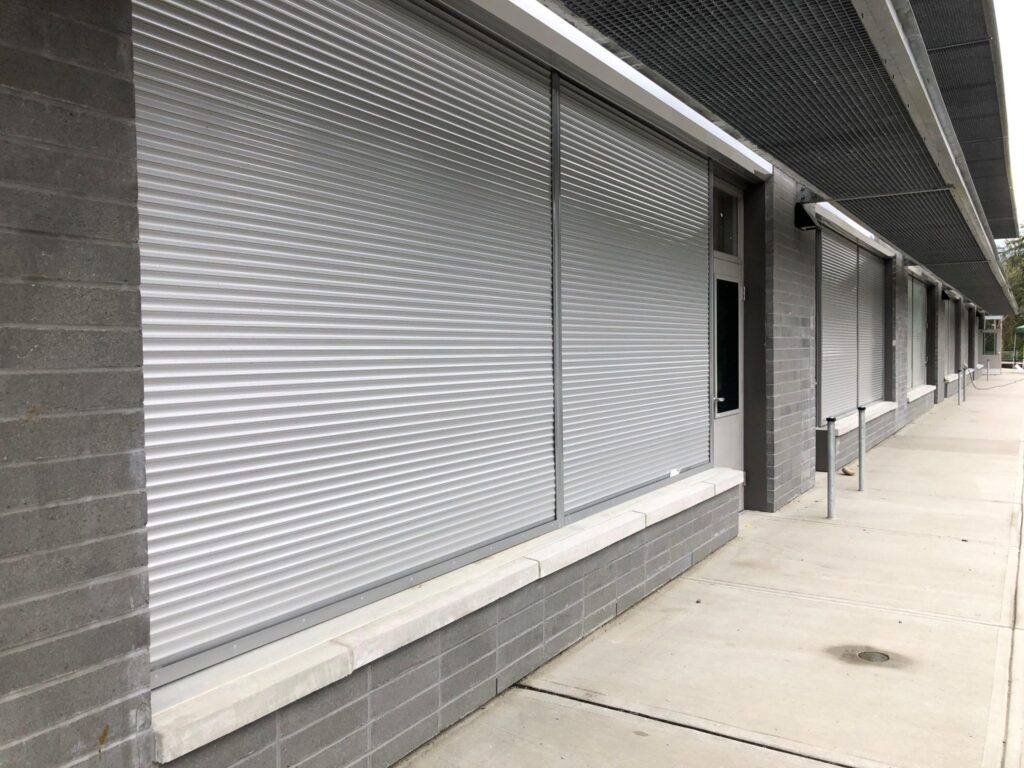
Twelve windows. All exterior. Solid roll-down shutters from Rollashield. No perforation — this wasn’t about ventilation or visibility, it was about making the building look closed when it was closed.
The job was in the low-to-mid five figures. For me, back then, that was a big job. It was one of the jobs that told me this business was real.
The follow-up inspection was short. He walked the perimeter, saw every window was covered at close, signed off. License renewed. That was the outcome they were paying for.
The category nobody talks about
After this job I started paying attention. Code compliance is its own reason people install shutters, and almost nobody writes about it because most operators haven’t done the work.
A few examples from my own install list.
Liquor — ADA clearance. A store in Hayward had an old single-entry door. The city had updated the code: commercial entries now need 37 inches of clearance for wheelchair access. They had a metal gate that was protruding into the doorway and eating up clearance. The city cited them. They ripped the gate out, I put a shutter in, the clearance problem was solved and they were secure for the first time. That one was code first, security second.
Cannabis — licensing. In the cannabis business, almost every job in the San Jose area has a compliance component. The state and the city both have rules about what has to be visible from the street after hours, and what can’t be. I’ve done interior shutters on display cases specifically because a licensing inspector said the shelves had to be covered.
Social services — records. The job above. Twelve exterior windows, state-mandated, license renewal on the line. Not the last one of these I’ll see.
Same category, very different buildings.
We’ve seen the same inspection story play out for business owners in Dixon and San Jose.
If an inspector has just left your building
A few things I’ve learned doing these jobs.
Read the citation. The language is specific. “Barrier,” “line of sight,” “secured at close” — all of these mean something exact to the inspector, and the fix has to match the word they used. If you install the wrong thing, the follow-up visit doesn’t pass.
Don’t wait. Compliance deadlines aren’t flexible. Licenses get held up. Funding gets held up.
Talk to somebody who’s done a compliance job before. Most security companies have installed shutters after a break-in. That’s a different job. The break-in customer needs peace of mind. The compliance customer needs the inspector to sign the form on the return visit. Those are not the same goals, and the install decisions are not the same.
If you just got cited and you don’t know what it’s asking for, call me or send a message. I’ll read it with you and tell you what I’d do. If the fix is simple enough you can handle it another way, I’ll tell you that too.
— Jessie Bajwa
Owner, Affordable Security Shutters
Fairfield, CA · 707-840-3435